

THREE WORLDS DIARY
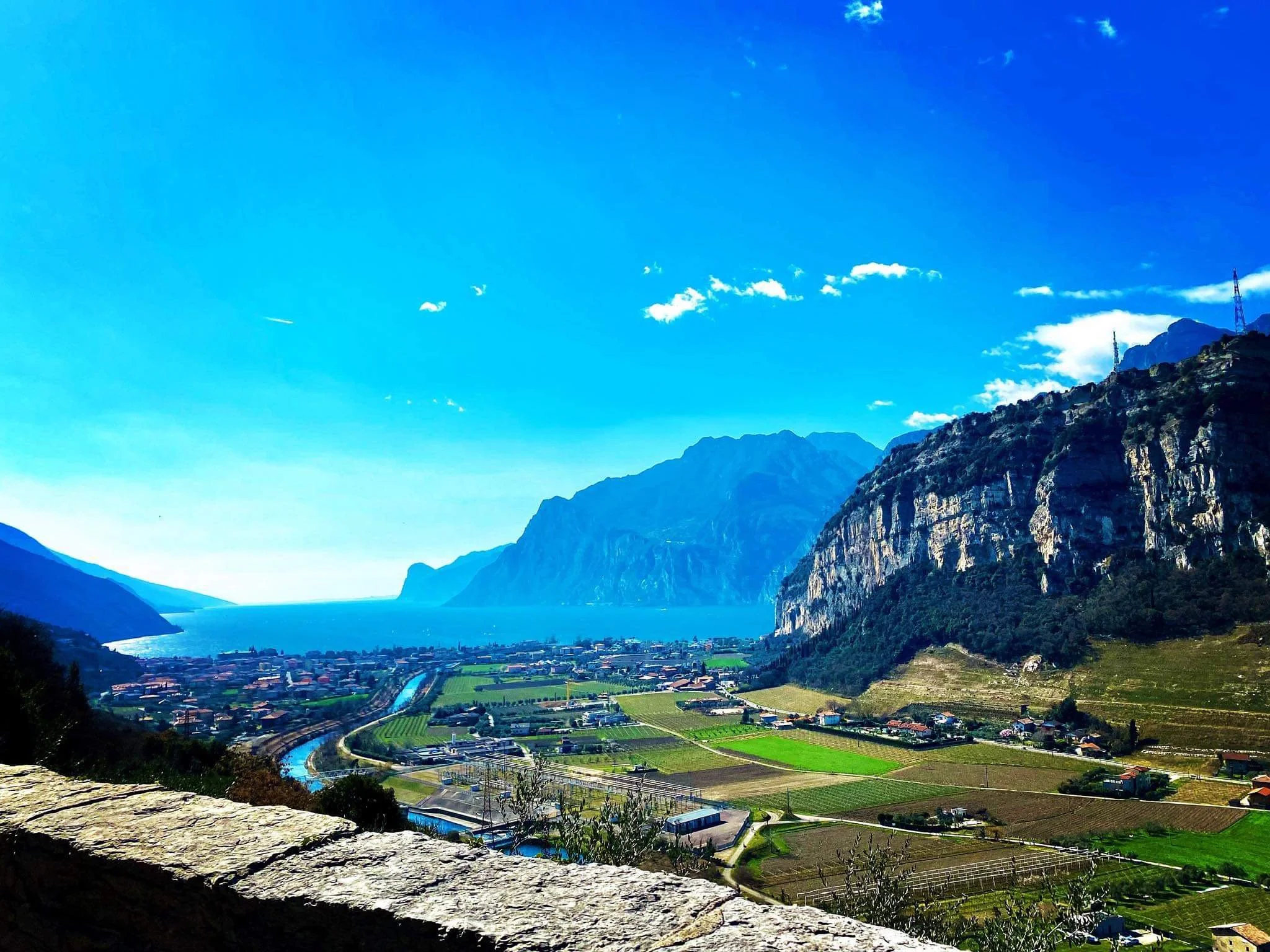
Arco: The Church that Hugs
Arco Church of God is a wonderful church that needs some larger North American congregations to come alongside them and be their big brothers. The people, the scenery, this is a wonderful opportunity to see the work God has done in Italy.
Regional Projects: Italy Expansion Project
(Project # 42.40530)
Do you want to experience the most beautiful place in Europe? We are looking for financial support for the Church of God in Arco, Italy. This is a church you want to be associated with. It is the only Evangelical church in a valley that spans 60 miles and takes 2 hours to drive by car. Located on the enormous Lake Garda which is surrounded by mountains and cliffs that go straight up to 7,000 ft., the beauty of the scenery is only matched by the beauty of our church people.

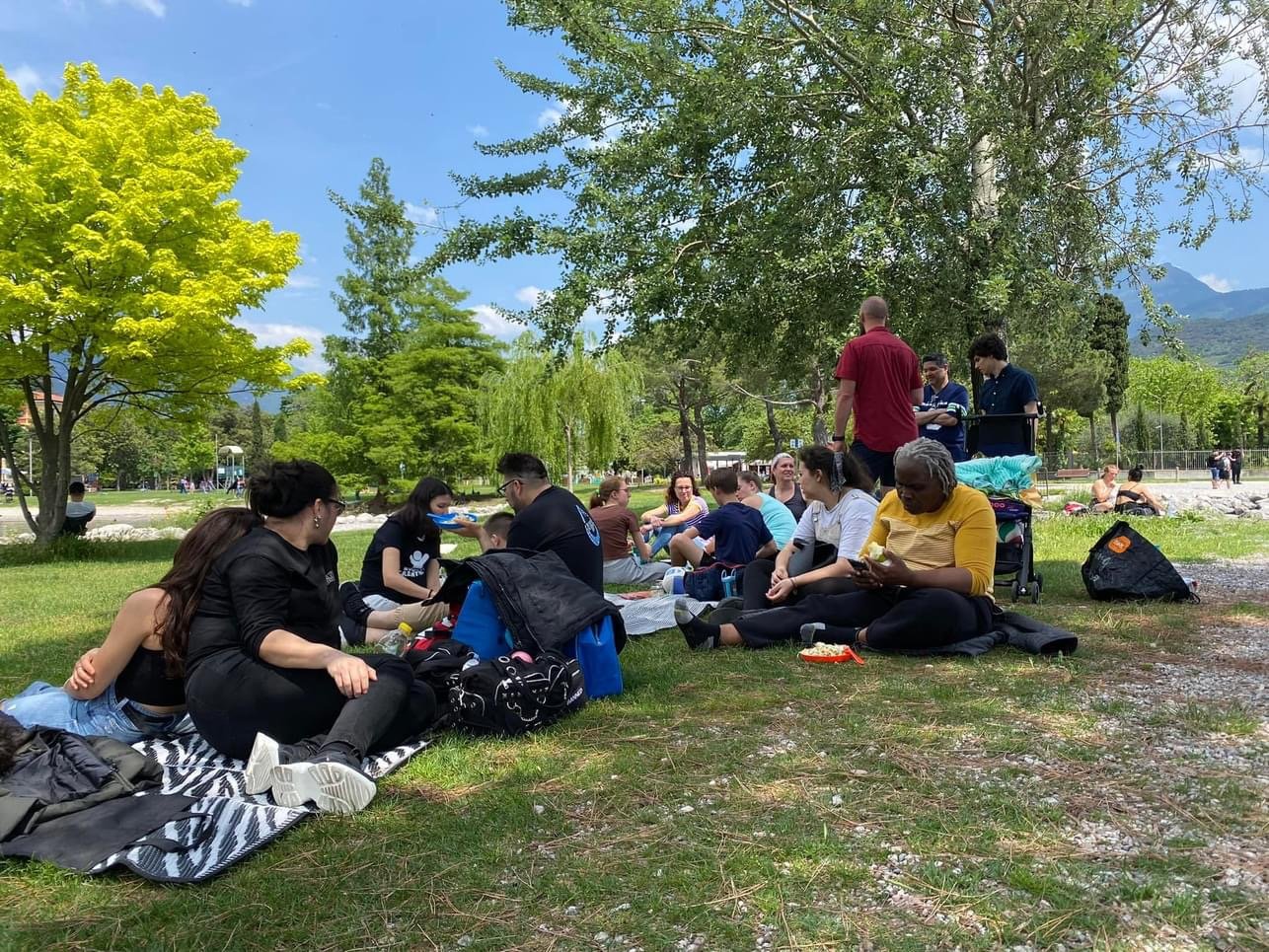
Planted in the fall of 2010, the Arco Church had to re-locate and start over after Covid. With a handful of the original youth group, 28-year-old Marcos Lovaglio and 24-year-old Katherine Lovaglio took over the leadership of the church. Since then, it has grown to fifty, and with the help of Patrick and Jamie Nachtigall (Global Strategy Missionaries - serving as mentors), the church is becoming officially recognized, has established a Board, and is firing on all cylinders. The church has every age group represented, but is mainly attracting families with young children. We are known in our community as “the church that hugs.” It is a wonderful church that needs some larger North American congregations to come alongside them and be their big brothers. The people, the scenery, this is a wonderful opportunity to see the work God has done in Italy.
Click the link here to read more about this ministry and to partner financially with the kingdom work being done through the Arco Church!
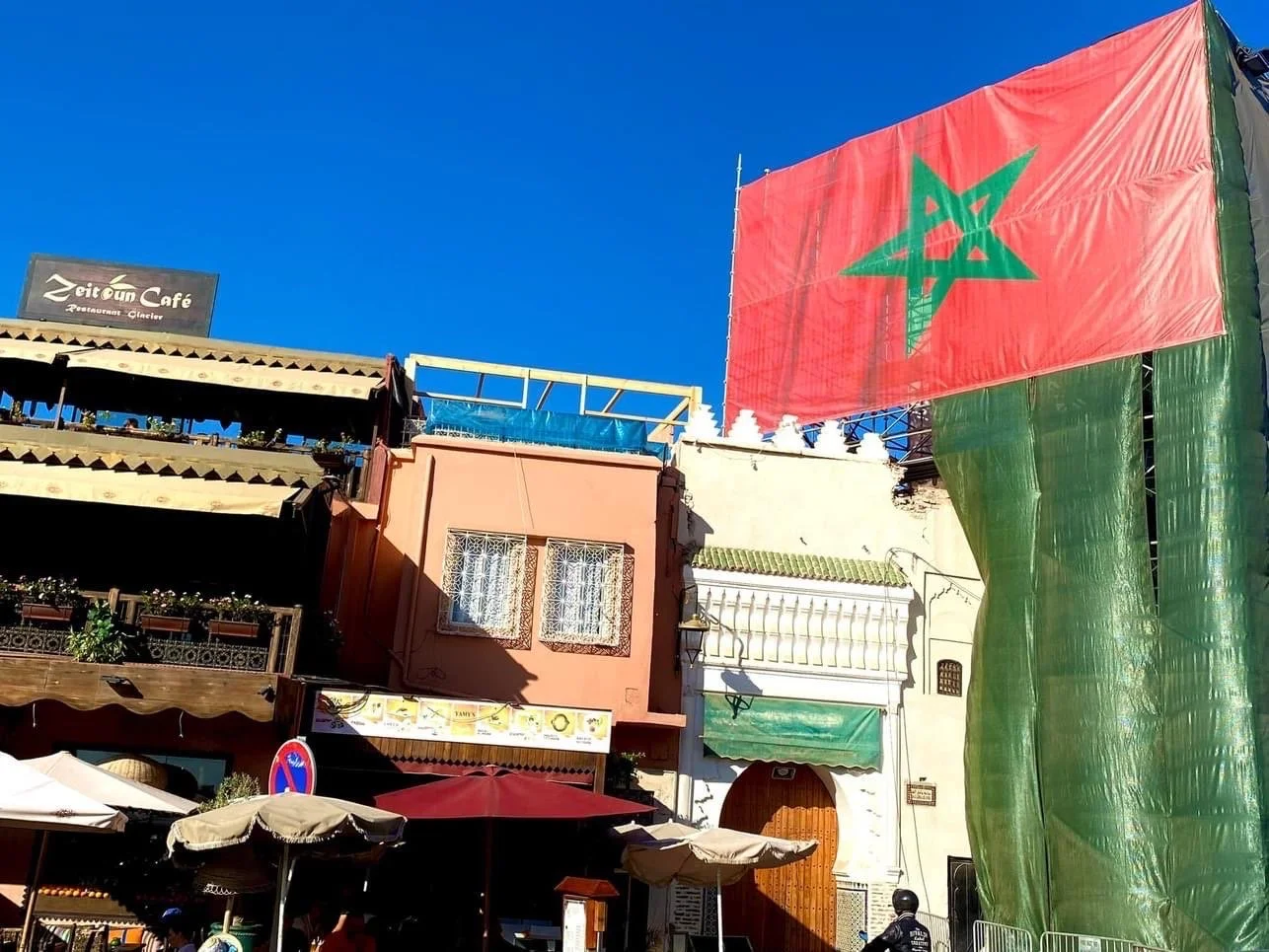
Morocco in Need, CHOG responds
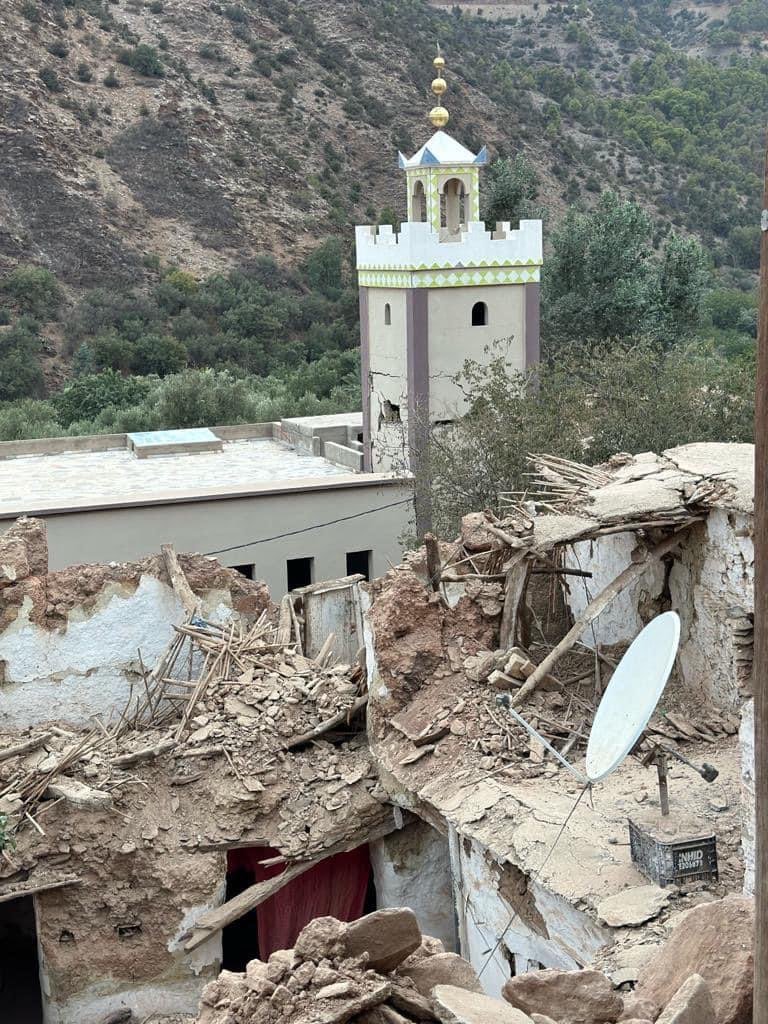
Thanks to donations to the Church of God Disaster Relief Fund, I was able to travel to Morocco which was hit by a devastating earthquake on October 8th in the Atlas Mountains. As winter is setting in, there is a desperate need for food, shelter, and clothing. Your donations were able to make a difference.
Being part of the 3W team means living in one of the most active parts of the world. Our region—Europe and the Middle East-- is almost entirely prone to massive earthquakes, is the heart of the world’s refugee crisis and currently has two hot wars going on: Ukraine-Russia, and Israel-Hamas. There is never a lack of drama or people in need in this region, and that gives our team and the greater Church of God, an opportunity to be a part of responding to these immense needs and challenges.
Thanks to donations to the Church of God Disaster Relief Fund, I was able to travel to Morocco which was hit by a devastating earthquake on October 8th in the Atlas Mountains. As winter is setting in, there is a desperate need for food, shelter, and clothing. Your donations were able to make a difference.
I connected with our partners on the ground (who I won’t name for security reasons). We in the Europe-Middle East region are very proud of our emerging young leaders, and in Morocco, I met with three of our finest who make up part of our 3WLN network. I learned a lot about this beautiful country, its culture, its religious atmosphere, and the earthquake needs.
Morocco is a nation that is officially Islamic and is strict about it compared to many other more lenient and liberal Islamic nations. It is not legal to convert Christians or to become a convert. Consequently, our brothers and sisters there must be very careful. As is often the case, the Christian community always feels called to respond to human suffering and disasters. Networks have evolved with our young leaders being at the forefront of these churches and believers working together to bring hope and relief.
One of the things that most struck me was the need for toys for children. Why? Because it helps them disappear into their imagination and escape the tragic situation, they find themselves in. A truck or a doll can give hours of relief to a child who is having to deal with their world suddenly disappearing. The hardest hit areas are where Berber tribes live in the Atlas Mountains. It's a dangerous terrain as it is filled with unsteady rocks and boulders dangling from cliffs. Some Christian relief workers died on the dangerous, curvy, roads of Morocco’s hardest-hit interior.
The influence of Islam is weaker in the areas where the indigenous Berber tribes live, and they wonder who these people (Christians) are who come to them and not only bring supplies and food, but also friendship, love, hope, and a listening ear. No one else does that and it has a tremendous impact. As tragic as the situation is, God causes all things to work together for the good of those who love God and are called to his purpose (Romans 8:28). We want to thank all of you who support our team and leaders in this region during the good times and the bad times. We couldn’t do it without you, but we can do it altogether with God.
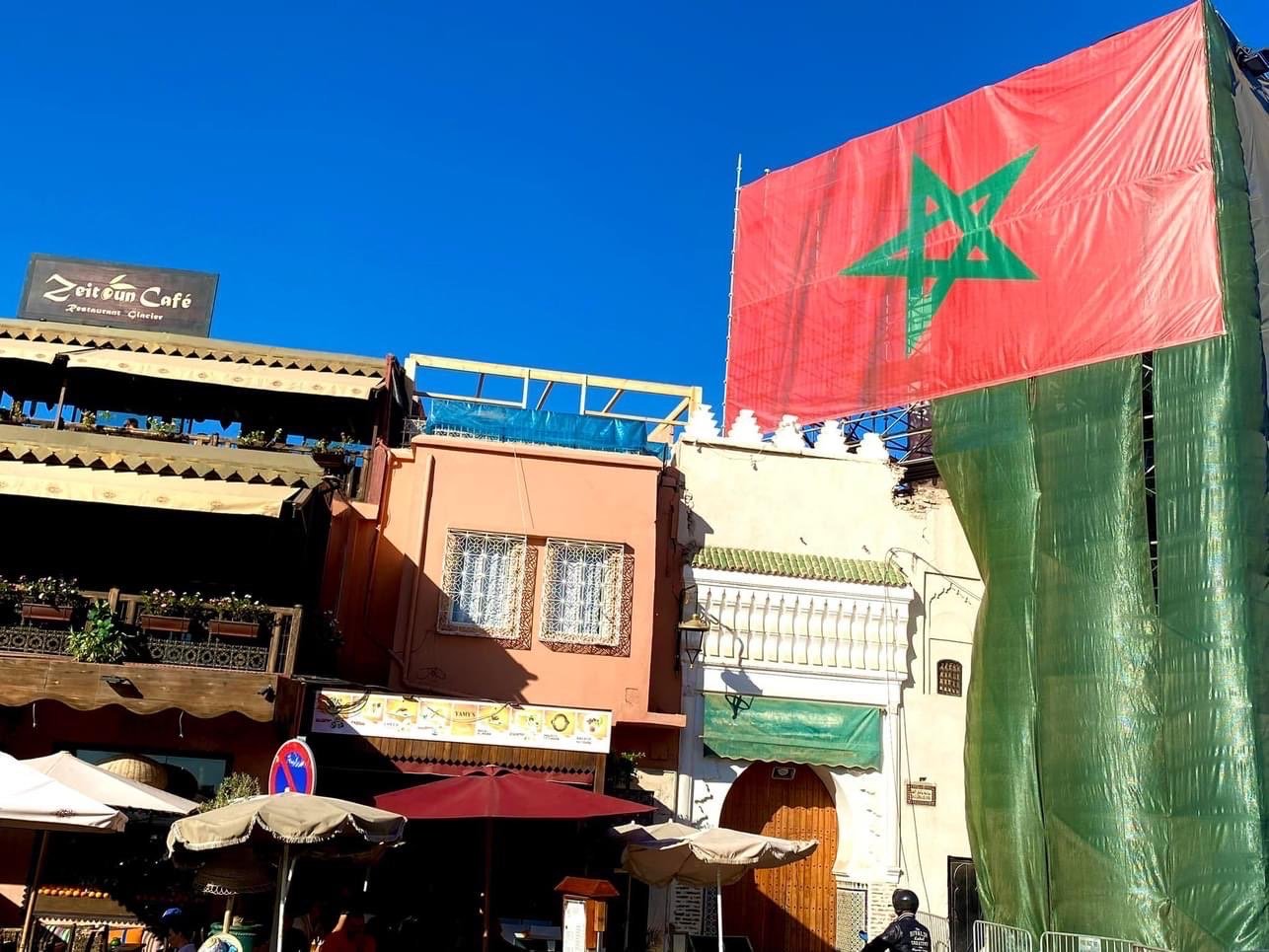
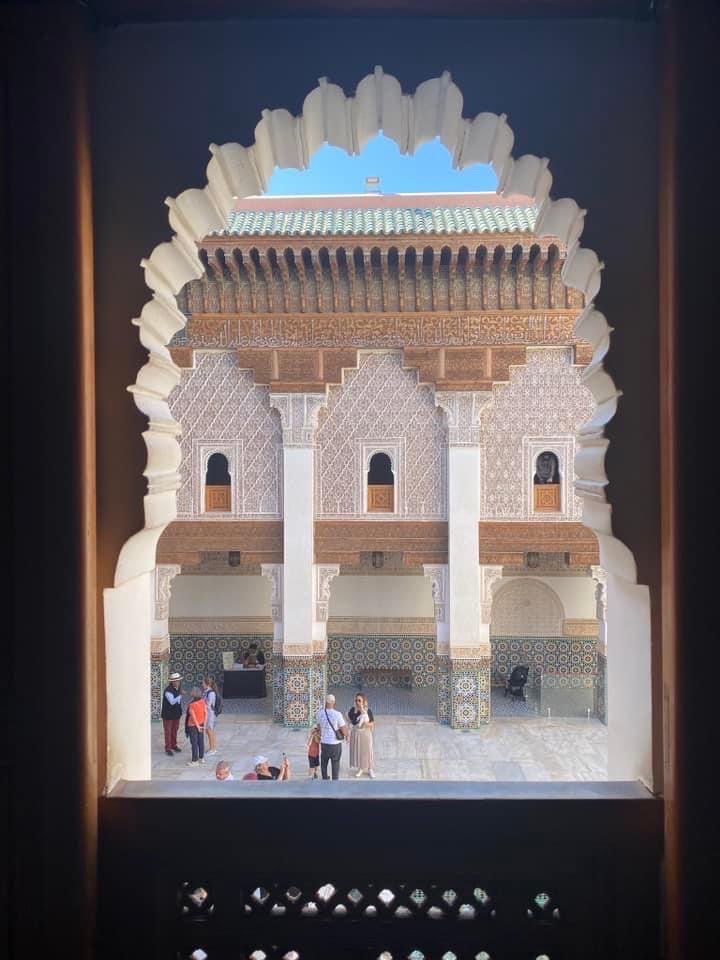
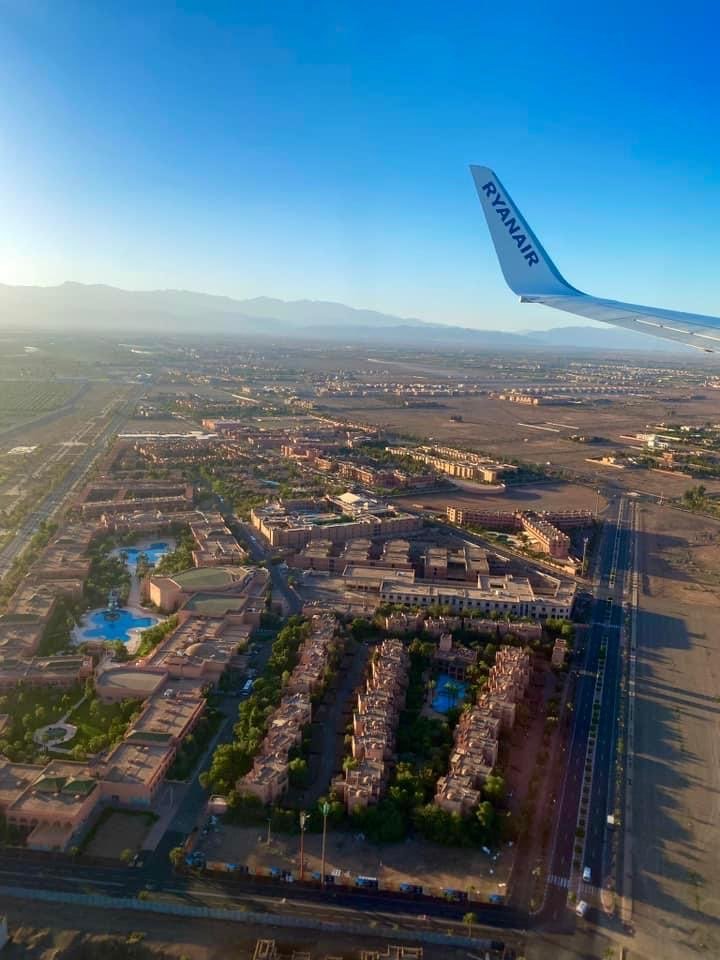
The Economic and Political Success of Morocco
As one of the most successful countries in Africa, Morocco could have a positive political and economic trajectory if it can keep growing economically and remains politically stable.
As our team continues to help coordinate relief efforts, will you consider supporting families whose lives have been impacted? You can do so through the Global Strategy Disaster Relief fund. One hundred percent of your donation will go to the Moroccan relief efforts. Simply click on the link and fill out the information. Make sure to write “Morocco” in the memo section.
(This post is part of a series on the Moroccan earthquake that took place in early September. The 3W Team is working to support ongoing relief efforts through contacts on the ground.)

During the last World Cup, the country of Morocco nearly won the entire tournament. While they ended up in 4th place, the world marveled at their talented football squad which eliminated many of the world’s best teams.
Morocco is a nation that the world should know about whether they play well in football or not. It is a large nation in North Africa that touches the Atlantic, the Mediterranean, and the Sahara desert. While Morocco is over 1,000 years old, the modern country of Morocco received its independence in 1956 from France and Spain.
Today, Morocco is a nation of 37 million people that is 99.6% Muslim. It is a nation with a monarchy, a Parliament and an independent judiciary. Around the time of the Arab Spring, the King’s powers were reigned in substantially in favor of empowering the democratically elected prime minister. However, subversive acts against the King are highly illegal and strictly enforced. Both conversion to Christianity and practicing acts of homosexuality can lead to months of imprisonment.
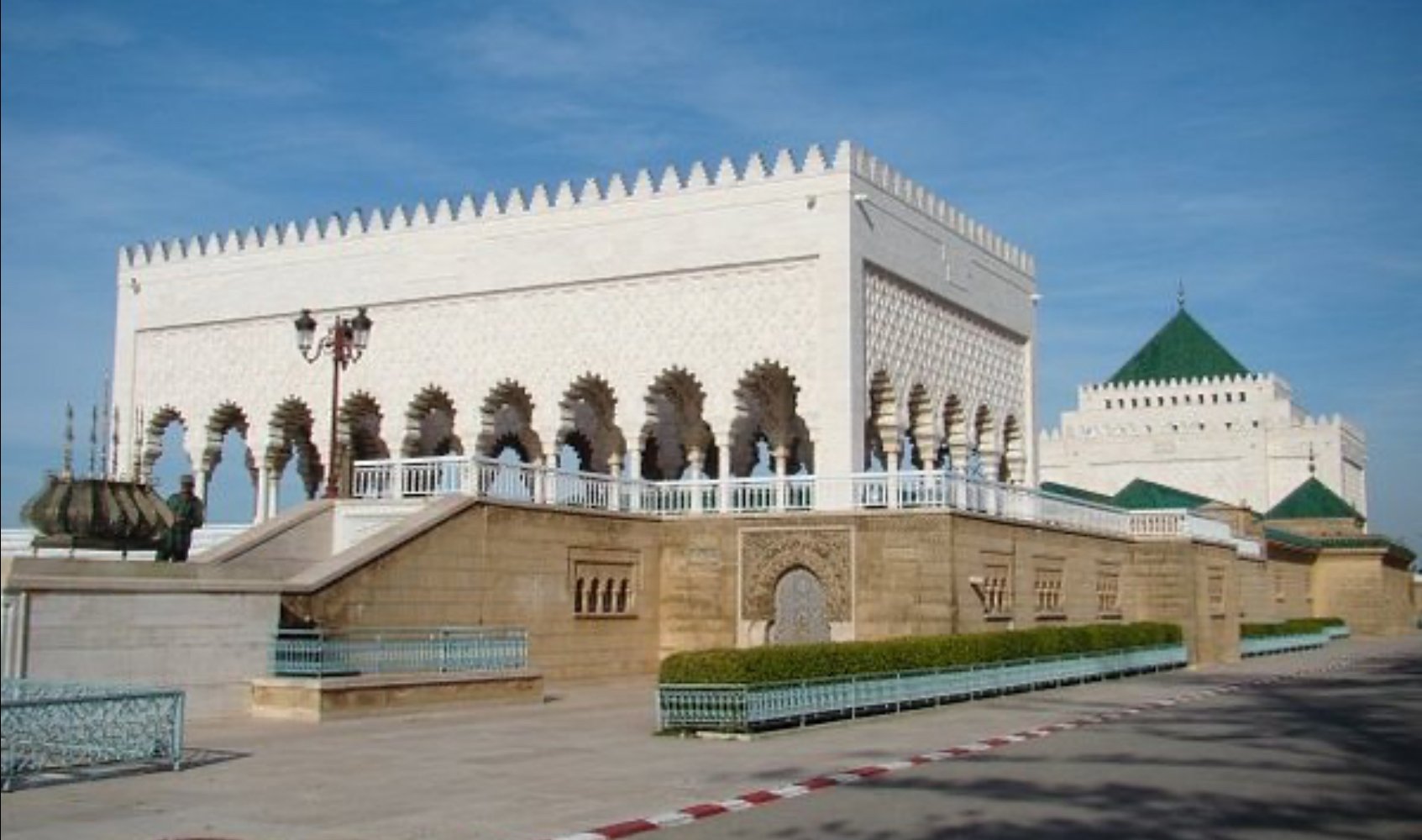
While there is poverty in Morocco, particularly in the mountainous areas where the earthquake took the most lives and did the most damage, many of its cities are modern and prosperous. Rabat is the cosmopolitan, modern capital. Marrakesh is one of the most popular tourist destinations in Africa.
Its Berber and Islamic architecture, with marketplaces and medieval walls give tourists the feeling they are in a Saharan oasis. Tangier is located only about 8 miles away from Spain in Europe, separated by the strait of Gibraltar where the Mediterranean and Atlantic Ocean come together. Tourists are attracted to its low-cost of living and beautiful villas hugging the dramatic cliffs along the coast.
In addition to the booming tourism sector, much of Morocco’s agricultural sector is based in areas that look like Italy or Greece, with climates that are great for growing olives, grapes, fruits, and vineyards.
Many Moroccans are multilingual and speak Arabic or Berber, as well as French, English, or Spanish which is useful for trade and dealing with tourists. Americans are far less likely to consider Morrocco a tourist destination. But for Europeans and Asians, Morocco is an irresistible place for a dramatic, sightseeing experience.
As one of the most successful countries in Africa, Morocco could have a positive political and economic trajectory if it can keep growing economically and remains politically stable.
As our team continues to help coordinate relief efforts, will you consider supporting families whose lives have been impacted? You can do so through the Global Strategy Disaster Relief fund. One hundred percent of your donation will go to the Moroccan relief efforts. Simply click on the link and fill out the information. Make sure to write “Morocco” in the memo section.
Islam and Christianity in Morocco
Not all Muslim nations are filled with large populations of followers of Islam. While most people in Muslim nations are born into the faith, in countries such as Indonesia, Iran, and Lebanon; many practice other faiths, are atheists, or just don’t practice Islam in their daily life. Morocco, however, is a nation where Islam has had a stronghold for a long time. Today, Morrocco is one of the most conservative, Islamic states in the Middle East. Read more about Islam and Christianity here.
(This post is part of a series on the Moroccan earthquake that took place in early September. The 3W Team is working to support ongoing relief efforts through contacts on the ground.)
Not all Muslim nations are filled with large populations of followers of Islam. While most people in Muslim nations are born into the faith, in countries such as Indonesia, Iran, and Lebanon; many practice other faiths, are atheists, or just don’t practice Islam in their daily life. Morocco, however, is a nation where Islam has had a stronghold for a long time. Today, Morrocco is one of the most conservative, Islamic states in the Middle East.
Long before Christianity was based in Rome or Western Europe, it was centered in North Africa. Augustin of Hippo and Cyprian the Bishop of Carthage were two of the most influential Christians that ever lived.
Many of Christianity’s most important doctrines were discussed, debated, and decided upon in the areas we now call Morocco, Tunisia, Algeria, and Egypt. But the rapid rise of Islam in the 7th Century began a period of rapid Christian decline. When the Catholic empire was at its height, Christianity made a minor comeback in Morrocco, but it was not to last.
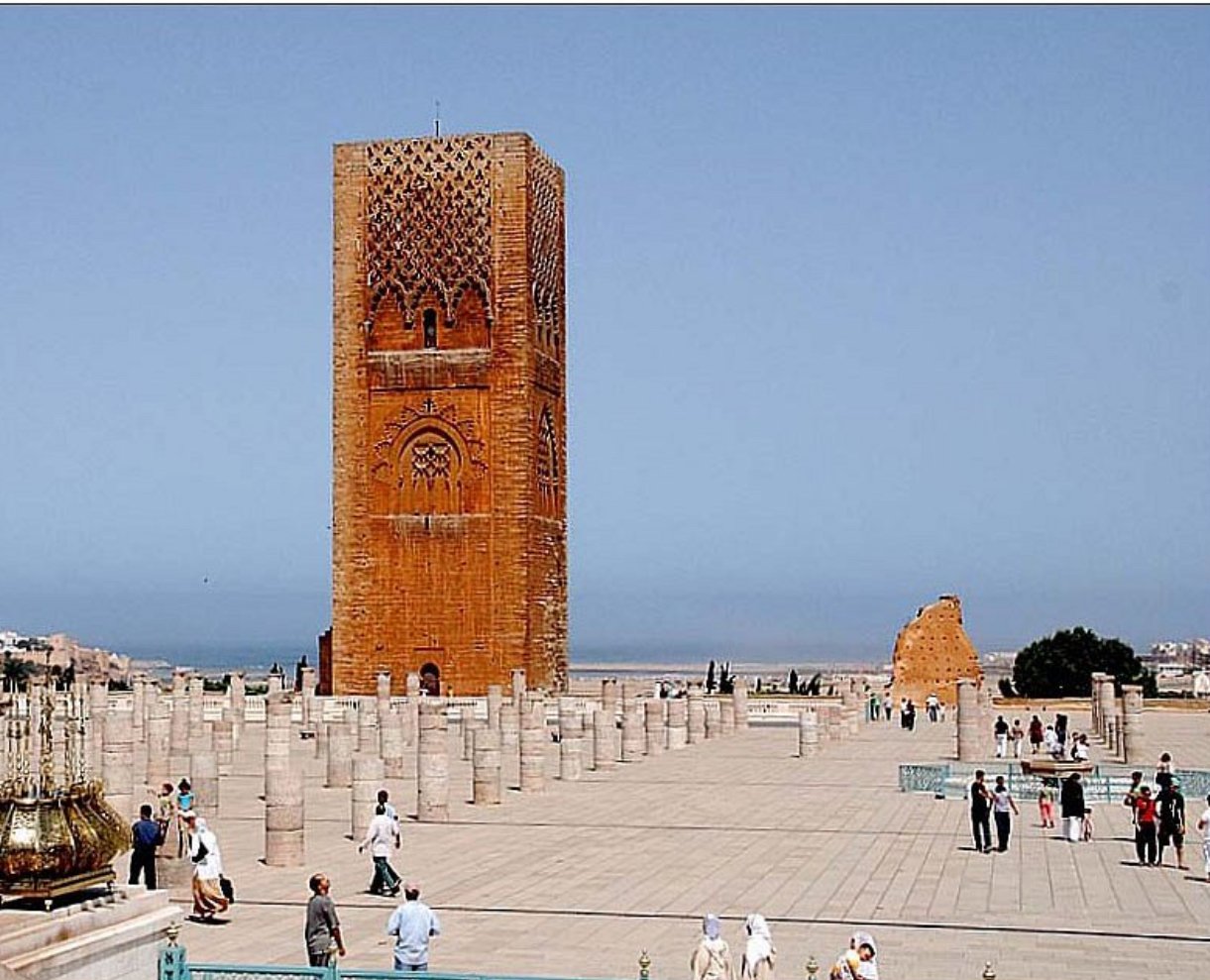
Today, it is estimated that less than 1% of the country is Christian—a remarkably low percentage---roughly the same as that of Japan percentage wise. There are no good sources to state with certainty how many Christians live in Morocco, but in this large nation of 37 million people, there are probably significantly less than 100,000 Christians.
As our team continues to help coordinate relief efforts, will you consider supporting families whose lives have been impacted? You can do so through the Global Strategy Disaster Relief fund. One hundred percent of your donation will go to the Moroccan relief efforts. Simply click on the link and fill out the information. Make sure to write “Morocco” in the memo section.
Morocco Earthquake: Traveling to High Atlas Mountains
Our friend and contact on the ground in Morocco recently shared, “Our conversations revealed poignant stories, including the tragic death of a 14-year-old in their village. Another person had a massive rock sitting on their home after it fell from the mountain, and miraculously didn’t cause any harm to his family members. The villagers were living without proper shelter, on the riverside, risking flooding in the coming months of winter. Their remote location left them feeling disconnected from the care and support they so desperately needed. We distributed games for the children, as well as bags with essential food and supplies.”
(This post is part of a series on the Moroccan earthquake that took place in early September. The 3W Team is working to support ongoing relief efforts through contacts on the ground.)
On Friday, September the 8th, Morocco was shaken by a deadly earthquake measuring a magnitude of 6.8. For the next 10 days, aftershocks would continue to decimate the region of Marrakech-Safi and its surrounding communities. The death toll reached 3000 people and more than 5000 were injured.
The 3W Team has been in communication with contacts in the region who have been traveling to the impacted areas, specifically the High Atlas Mountains. In this area, an estimated 50,000 homes collapsed during the earthquake. One contact has shared they are not only delivering necessary supplies, but they are also connecting with and consoling families whose lives have been devastated.
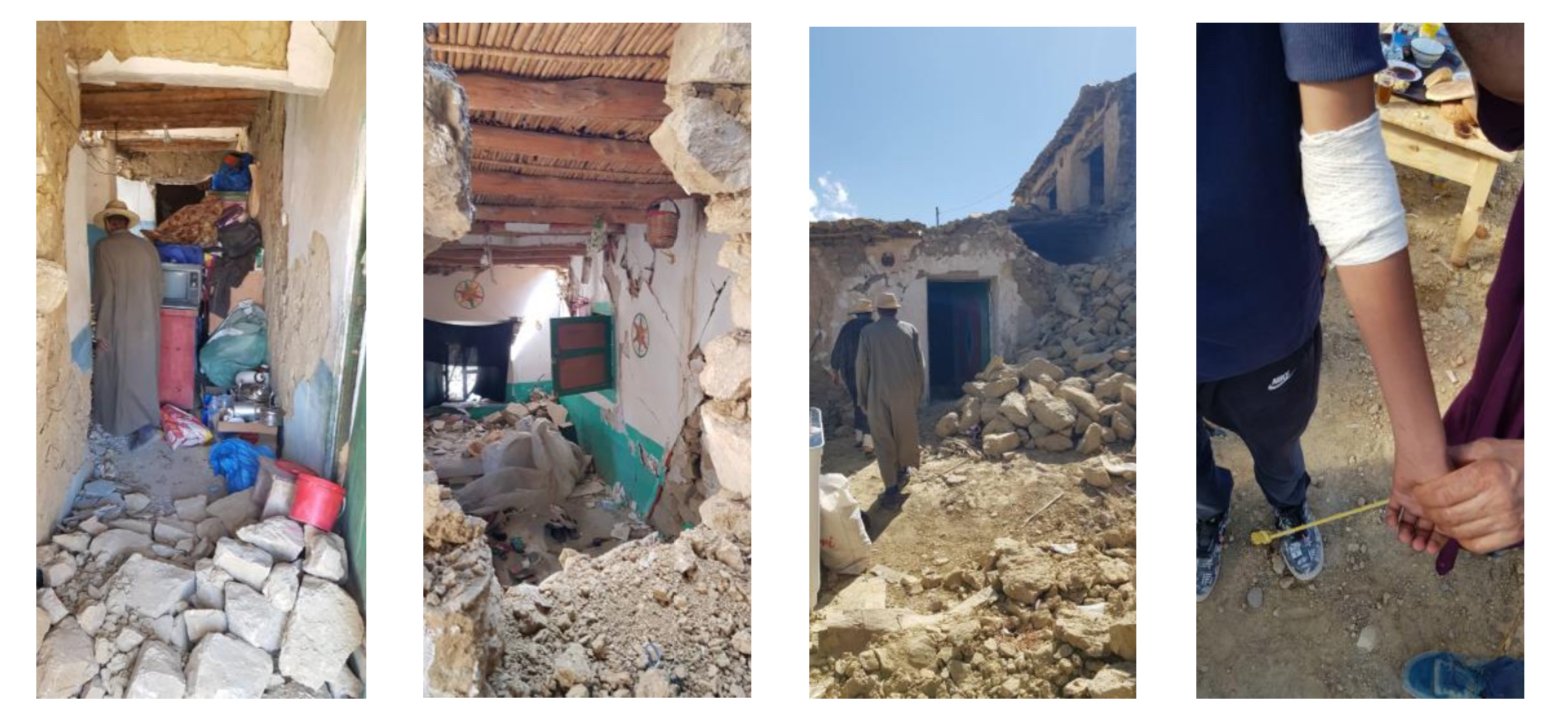
Due to the unstable terrain, trips made into this region are very difficult as volunteers make their way into the 10,000-13,000-ft elevation mountain range. Typically these trips require volunteers to take several days off of work in order to get supplies into the areas where there is the most need.
Though difficult, these volunteers believe the journey is worth the effort in order to bring encouragement and supplies to families that have lost nearly everything, including precious family members.
Our friend and contact on the ground in Morocco recently shared, “Our conversations revealed poignant stories, including the tragic death of a 14-year-old in their village. Another person had a massive rock sitting on their home after it fell from the mountain, and miraculously didn’t cause any harm to his family members. The villagers were living without proper shelter, on the riverside, risking flooding in the coming months of winter. Their remote location left them feeling disconnected from the care and support they so desperately needed. We distributed games for the children, as well as bags with essential food and supplies.”
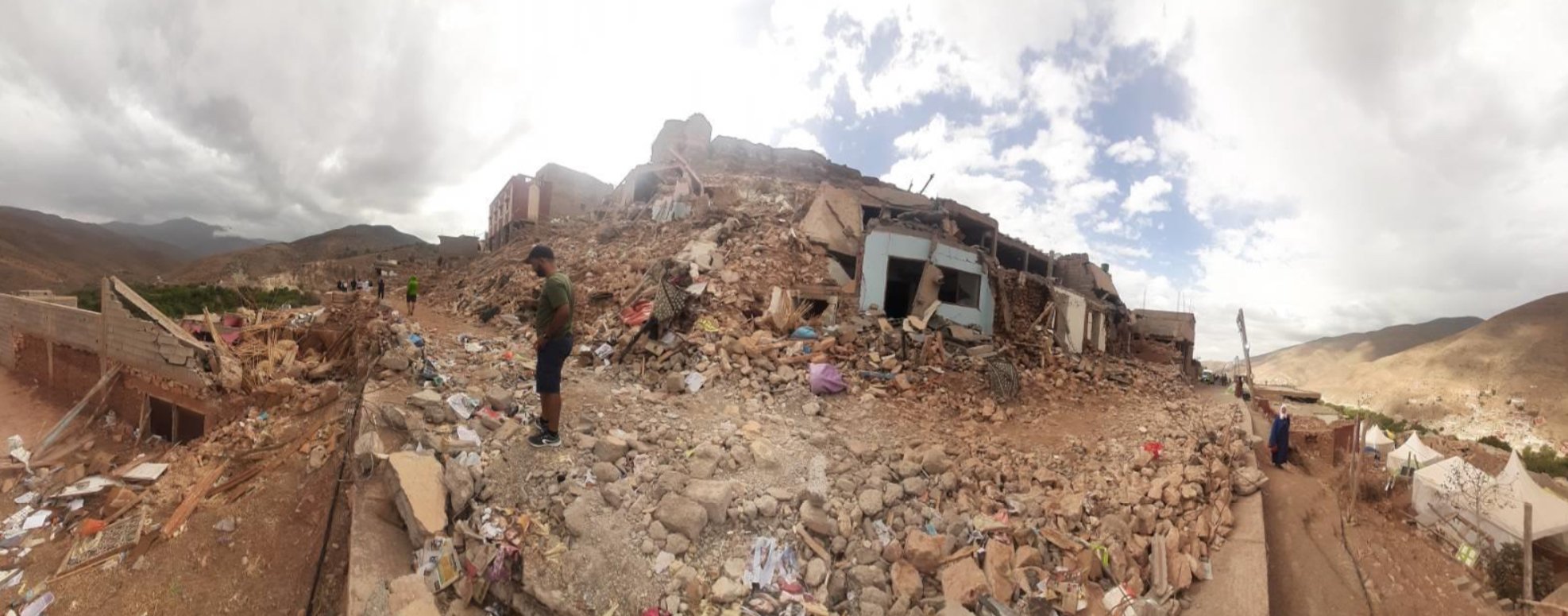
They went on to share stories of families who have lost everything, “We met A.’s family, who connected us to three families living on the precarious edge of a mountain. L. and his children were fortunate to have survived the earthquake, along with others like A.’s dad, as their houses crumbled around them. The main door was blocked, and they were able to survive after fleeing in the dark from a tiny opening made in the wall by the window side. Y., a high school student, needed an x-ray for his injured hand.”
The work in the High Atlas Mountains will take several months to bring even a minimal level of stability to the lives of those who have been impacted. The 3W Team is committed to walking alongside those who are bringing relief and restoration to these families who have suffered so much loss.
Will you consider coming alongside too? If you would like to help support these families, you can do so through the Global Strategy Disaster Relief fund. One hundred percent of your donation will go to the Moroccan relief efforts. Simply click on the link and fill out the information. Make sure to write “Morocco” in the memo section.
Morocco Earthquake: Coordinating Efforts
As we partner with our contacts and their network on the ground, our hope is to send funds to purchase and deliver supplies to 100 families in the most remote and heavily impacted region. These supplies will include iron tents, food, water tanks, blankets, clothes, solar energy packs, sanitation equipment, and more. These efforts will help affected families face the oncoming winter.
If you would like to help support these families, you can do so through the Global Strategy Disaster Relief fund. One hundred percent of your donation will go to the Moroccan relief efforts. Simply click on the link and fill out the information. Make sure to write “Morocco” in the memo section.
(This post is part of a series on the Moroccan earthquake that took place in early September. The 3W Team is working to support ongoing relief efforts through contacts on the ground.)
On Friday, September 8, the region of Marrakech-Safi in Morocco was shaken by a deadly earthquake. The 6.8 magnitude quake and its aftershocks devastated homes and local infrastructure, making the relief efforts slow and arduous, causing a severe humanitarian crisis. The death toll has surpassed 3000 and more than 5600 people have been injured. Many more have lost their homes and livelihoods.
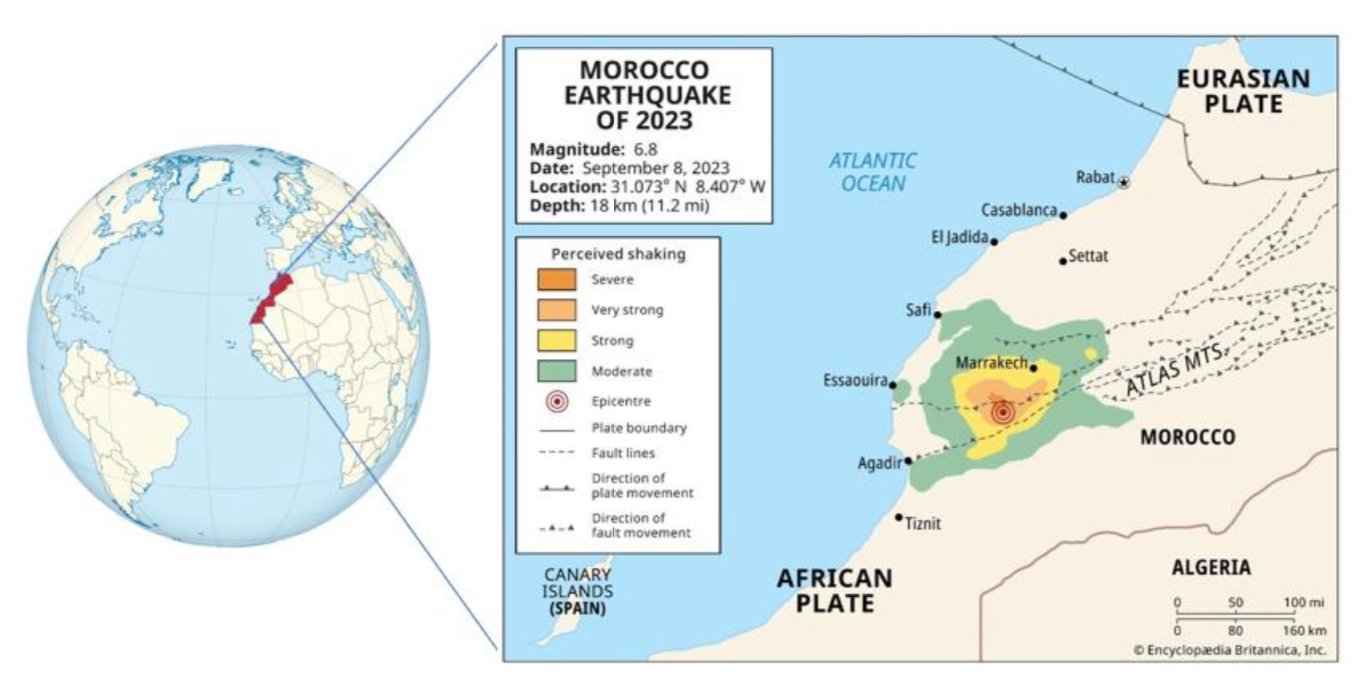
Our Three Worlds Leadership Network (3WLN) contacts on the ground began coordinating relief efforts almost immediately after the earthquake struck. In the last month, we have been communicating with and collecting information from those contacts. One of them recently shared this summary: “Tragically, not only have people lost their homes, but also their livelihoods, including the animals they relied on for work. This has left the community in a dire state of vulnerability, with limited resources and no immediate relief in sight.”
As winter approaches, the vulnerability of tens of thousands of people living in the High Atlas Mountain region and suffering the most severe devastation will be compounded. Our contact shares the following: “One of the most concerning aspects of the situation is the lack of a concrete rebuilding plan for the victims. With winter approaching, the affected villages are filled with fear, as they are isolated from the rest of the world. There is no transportation, limited resources, and a heavy reliance on local agriculture.”
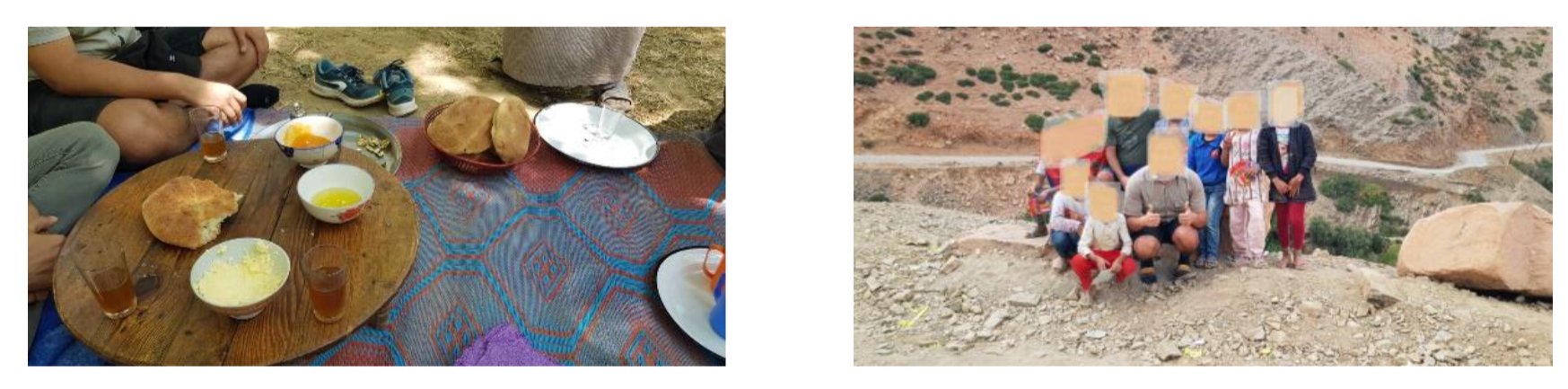
Our Goal
As we partner with our contacts and their network on the ground, our hope is to send funds to purchase and deliver supplies to 100 families in the most remote and heavily impacted region. These supplies will include iron tents, food, water tanks, blankets, clothes, solar energy packs, sanitation equipment, and more. These efforts will help affected families face the oncoming winter.
If you would like to help support these families, you can do so through the Global Strategy Disaster Relief fund. One hundred percent of your donation will go to the Moroccan relief efforts. Simply click on the link and fill out the information. Make sure to write “Morocco” in the memo section.
Give to Morocco Disaster Relief Efforts
The Ukrainian Church: Hope through Adversity
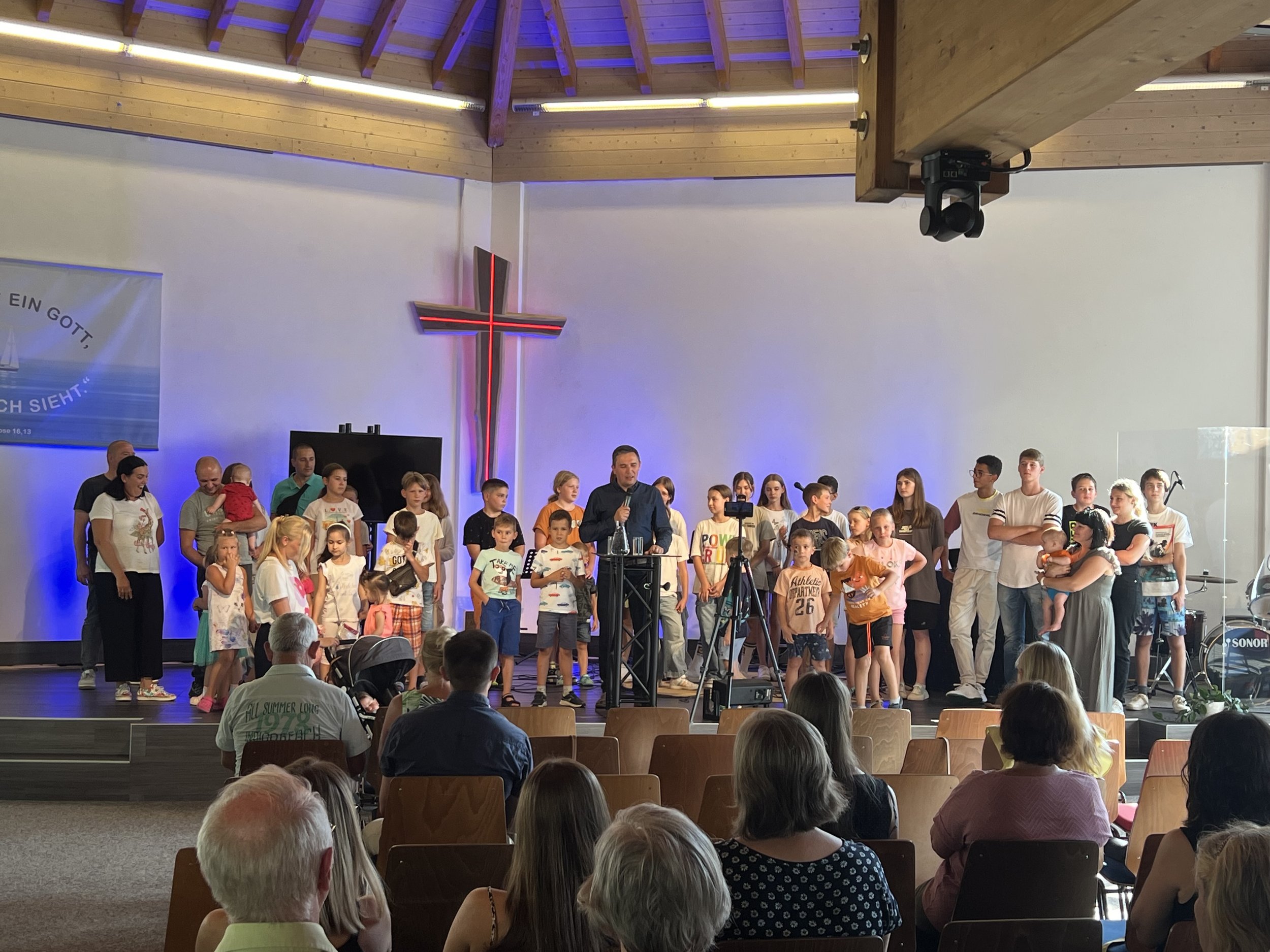
Over the past twenty-one months as the war has waged on in Ukraine, the Three Worlds team has sought ways to encourage and support our Ukrainian Church of God contacts – those who are still in Ukraine, many of whom are internally displaced, as well as those who have fled Ukraine and have needed to reestablish themselves and their families in a country not their own.
One of those close contacts is Pastor Stepan. The Three Worlds team first connected with Stepan and his family when they attended the Three Worlds Leadership Network (3WLN) event in its earliest years, and immediately ministry connections were made. Stepan was scheduled to lead a session at the 3WLN event in 2020 until it was canceled due to the pandemic. At that time, plans were also just beginning to formalize for EuropeX, a church-planting network, and Stepan was set to be a part of this as well.
As a Church of God pastor in Ukraine, Stepan was leading a young and growing church. Building upon their momentum, the church had a number of young people with aspirations to serve and impact their local community in a variety of unique ways.
In addition to leading the local congregation, Stepan helped lead a network of pastors and leaders in ten other congregations throughout Ukraine. Together, these pastors had dreams to plant more churches, impact more families, and point more people to Jesus. Then, on February 24, 2022, Ukraine was attacked.
While there was a tremendous amount of uncertainty, the Ukrainian Church of God immediately jumped into action, housing displaced people, sharing whatever essential supplies they could provide, establishing and coordinating a relief supply chain that stretched across the country, ministering to others who had lost so much, and always pointing people to Jesus.
Pastor Stepan and his family faithfully served in this capacity in their home church for many months, until they finally had to make the difficult decision to leave Ukraine. Stepan’s wife was pregnant, they had two young boys, and their parents were dealing with physical ailments that required attention.
Knowing other young leaders were ready to step in and lead the church and local relief efforts well, Stepan and his family received their paperwork allowing them to leave Ukraine, and they made their way to southern Germany. Upon arriving, Pastor Stepan saw an opportunity to gather other Ukrainians having experienced the same atrocities as he and his family. In the following months, with the help of local German Church of God leaders, a new church was planted in Calw, Germany.
Stepan and his family were only a handful of the 2000+ Ukrainians who arrived in Calw. They were able to connect with several hundred Ukrainians, as word spread that there was a church being led by people who fully understood the horrors they had experienced.
Today, the church operates weekly programs with Sunday worship services, youth group meetings, bible study classes, and more. Eighteen people have been baptized in the last year, and many Ukrainian Orthodox believers have shared that they have experienced the love and compassion of Jesus for the first time through the church in Calw.
Our Three Worlds team is thankful for the opportunities we have been given to walk alongside Pastor Stepan through this experience. Most recently, in partnership with the German Church of God and the Global Strategy/Church of God Ministries – Anderson, the team was able to help coordinate the funding of a stipend that will allow Stepan to continue focusing on ministry. The German government requires those seeking refugee status to obtain a work contract within a certain timeframe. The stipend provided through this joint effort has allowed Stepan to meet this requirement and continue in full-time ministry.
We praise God for the continued ministry of Pastor Stepan and his family. Having experienced the devastating impact of the war firsthand, they have in turn been instrumental in welcoming and walking alongside many refugees experiencing the same.
A Tale from the East: One Pastor’s commitment to ‘feed his flock.’ Ukraine Stories 2/7
For Pastor Appreciation Month, this article is in honor of Ukrainian pastors, all of whom have been faced with an insanely difficult year.
I know many Ukrainian pastors who decided to flee Ukraine this year. Many of them fled to neighboring countries (Hungary, Poland, Germany, et. al.). They did what is best for their families, to keep their wives and young children safe from harm’s way.
I know many Ukrainian pastors who have chosen to stay put and keep on keeping on.
I also know many Ukrainian pastors who have fled their homes, but have chosen (sometimes out of legal obligation…) to stay within the borders of Ukraine.
ALL OF THEM have wrestled with questions no pastor should have to wrestle with.
It is easy to pass judgment one way or another, but until you are in their shoes…
until the spotlight is directly on you and your family…
What would you do?
What should you do?
What does God want you to do???
I want to tell you the story of one man whom I have been privileged to meet on a few occasions this year.
He was a pastor in Donetsk. Until 2014, when Russia invaded that region of Ukraine and annexed Crimea. (By the way, “annexation” looks strangely like what my ancestors did to ‘The New World,’ despite it being properly inhabited already.)
In 2014, he and his wife fled their home in Donetsk. They moved to a lovely seaside town, safely removed from the hotspots. Perhaps you’ve heard of it: Mariupol.
It’s the same city that the Russian military has all but wiped off the map in 2022.
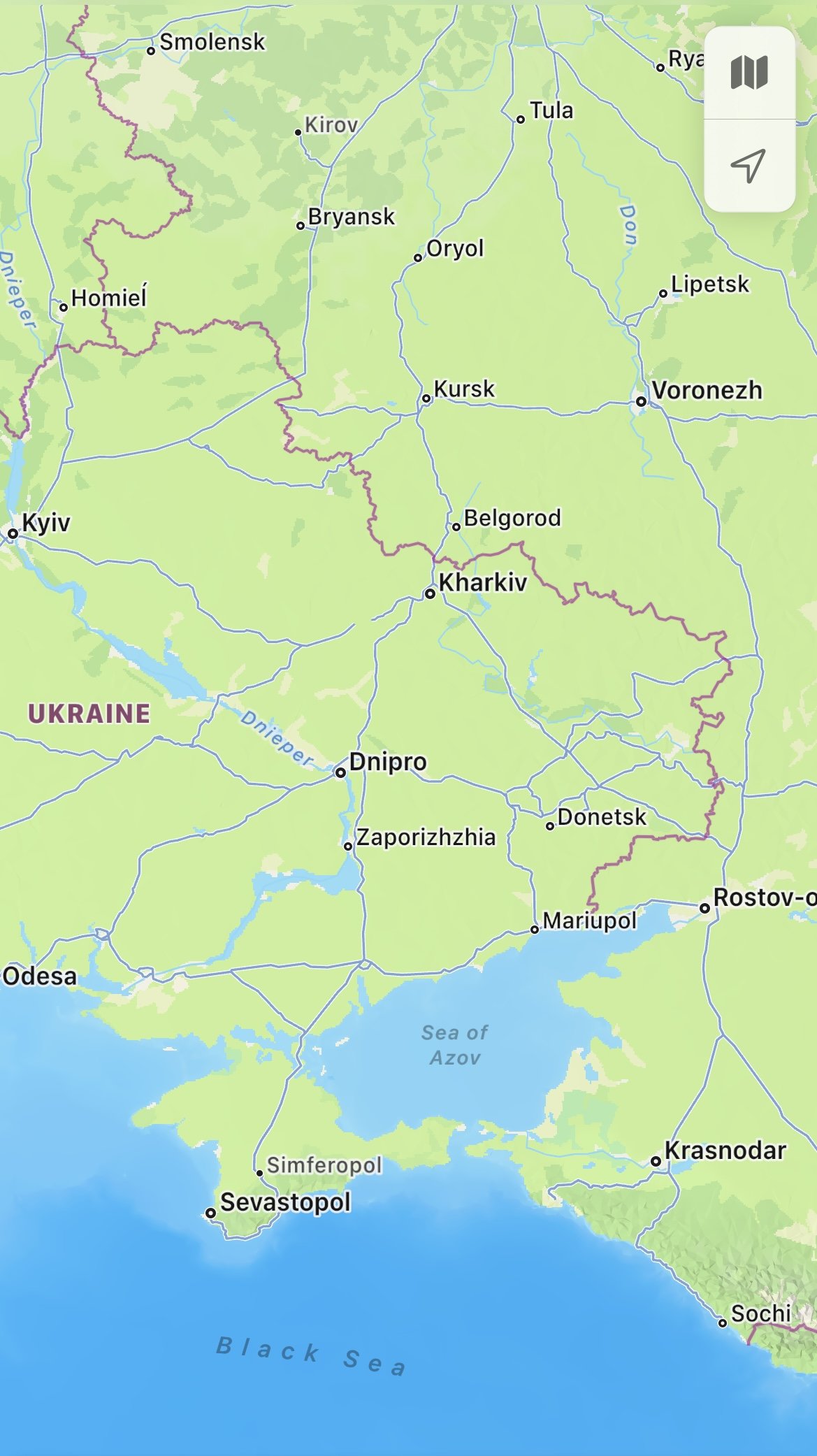
This time (Spring 2022), the pastor (whom I’ll call ‘Sasha’) and his wife fled farther from their homes, seeking shelter with family in western Ukraine (near the border with Poland).
When they fled westward, they invited any of their congregants to join them, promising to care for their basic needs and help find them a place to stay until it became safe to return ‘home.’ Some chose to take them up on this offer and they joined their caravan heading westward. Some chose to stay behind, knowing that it would not be easy to do so. But how could they leave their home? How could they leave their property and possessions? And if they did leave, what would that even look like? Where would they go??
In June of this year, I sat down with Pastor Sasha and listened for the better part of an hour as he shared his experiences from the previous several months. See, even though he and his wife fled to safety in western Ukraine, he has continued to go back to the East every month. Why, you ask?? Let’s hear it from him directly:
“We are from Donetsk. We left Donetsk in 2014 when the war started. We were ministering there in the church. I was the pastor there, there were two of us. So our ministry at that time, when we left, we started ministering at the front line. We planted two churches there. So that’s how we started the church there. There were people who just started attending the church there.
And now, we are responsible for that. We care for them. We cannot get right to Donetsk, because we can even not pass or give something to them. It’s not allowed. And these territories, it’s still the territory of Ukraine.
Even it’s dangerous there, but we go there. Just to see people and hug people, to pray with them. They appreciate that, the care we bring. And of course, some food, some pills or medicine, some treatment. And those that are willing we evacuate from there. This is the trip we had recently, the last one.”
As he spoke of the danger he routinely faces traveling into war-torn neighborhoods, I found myself wondering “what would I do???”
What would I do if I were an Ukrainian pastor? How would I respond to all this devastation?
Would my family stay in our home? Or would we flee to safety? And if we stayed, what would my life look like? What would my ministry look like?
I remember fondly my time serving as a pastor in Indiana. The joys of pastoral ministry involve leading one’s staff (usually mostly volunteer-based), leading the regular worship services, teaching/preaching, and visiting one’s congregants (especially the sick and elderly).
I remember one dear old widow whom I would regularly visit. Those visits were so nice. She was such a sweet faithful lady. My visits would begin with getting a can of Pepsi from her fridge, before I would walk into her living room where she would be sitting.
Even if I didn’t want a Pepsi, I learned to take one. Or else inevitably a moment later I would see her struggle to get up and go to the fridge to get one for me.
Those visits would be relaxing as we shared stories and just enjoyed fellowship, before we prayed and I went on to my next appointment.
IN STARK CONTRAST TO THAT, I listened to Pastor Sasha’s recent visits to such a lady from his congregation. Before we take a look at that conversation, I should preface things by saying that, at this point in our conversation he pulled out a large plastic Pepsi cup and dumped its contents onto the table between us. Suddenly the space between us is consumed by a lot of shards of metal.
Daniel: Oh my gosh, oh my gosh, oh my gosh…
Pastor Sasha: …This is specific bomb material because before when the bomb was exploded, it was not sharp. But now they make it out of some metal which is very sharp so it will just cut wherever it goes.
Daniel: Oh my gosh, oh my gosh, oh my gosh….That’s insane…Where did you get this???
Pastor Sasha: Just when i went there, i was visiting an old lady, a grandma, I opened the gate and right near the gate was this part and also that one, and I was picking it up, and she was like ‘oh I’ve got lots of them, my son…’
Daniel: …Oh my gosh, oh my gosh…
Pastor Sasha: This one is from near the church territory. In Donetsk area. Front line.
Daniel: Unbelievable. Can I take a picture of it?

How do you pastor people whose lives are literally in jeopardy every day?
How do you pastor people whose thoughts are consumed by such fundamental questions as:
Should I stay in my home, or flee to some other geographic location?
Will I die today?
Will someone I know and love die today?
I found myself selfishly wondering if I will one day wrestle with PTSD just from listening to Pastor Sasha’s experiences…

In this conversation, he shared stories from his own experience. And he shared stories from the experiences of his colleagues and of his congregants. He spoke of young men being called up into military service, who have since died. He spoke of older men volunteering for military service, who have since died. He spoke of men whom it is unclear what happened to them. He spoke of handicapped people from his congregation who are unable to move freely on their own. He has evacuated many of them from their homes and taken them to safety. But then the next struggle begins: Where is a safe, available, and also handicapped-accessible place for them to stay for an undetermined amount of time???
How do you shepherd people in a time of war??
How do you provide for their spiritual well-being while yours is undoubtedly also being massively challenged, to put it lightly?
How do you provide for their physical well-being while you yourself are living in temporary housing, provided by a friend, a family or a church connection?
These are all questions I have never been forced to even consider.
Pastoral ministry requires a wide range of skills and a wide knowledge base. While one does not have to be an expert in many fields, it certainly helps to know a little about a variety of things. It is basically necessary to also have a lot of connections: people whom you can turn to for advice, information, assistance with things out of your ‘wheelhouse.’ See, no one person can do it all. We need others. This is true on a ministerial level. This is also true on a lay-level.
Pastor Sasha: “But one positive thing out of this war… the war united even Christians and nonbelievers. When this war started, all the people were volunteering, ah…it doesn’t matter the denomination now, everybody is just mixed together, helping together, serving and ministering in different locations, so this is also shuffled us, which is good. Before, all the denominations were so separate, they never, like very rarely they do something together and they, yeah when everything was good everybody was just by themselves. And now it doesn’t matter who you are.”
Sasha’s Wife: “It was so obvious, you just go on the way, like because of the traffic jams were terrible, and so we just stopped in different churches. And it doesn’t matter which church, you just stop. They have mattresses, they accept you, they feed you. And then you go next, and then you go next, and lots of people, rotations. Because we were on the way for three, little bit more than three days, because the roads were stopped…”
This is the story of just one Pastor. There are many similar stories. As Pastor Appreciation Month draws to a close, I invite you to join me in praying not only for your local pastors. But also pray for all the pastors in Ukraine. And Russia! And pray for all those who had been serving in one of those countries, but are currently located elsewhere.
In addition to prayer, I would invite you to consider giving to the Church of God Disaster Relief fund. This fund has helped provide resources to care for the ongoing needs of those whose lives have been greatly affected by the war in Ukraine. Please click on THIS LINK and write ‘Ukraine’ in the comments.
https://www.jesusisthesubject.org/disaster-relief-and-restoration/
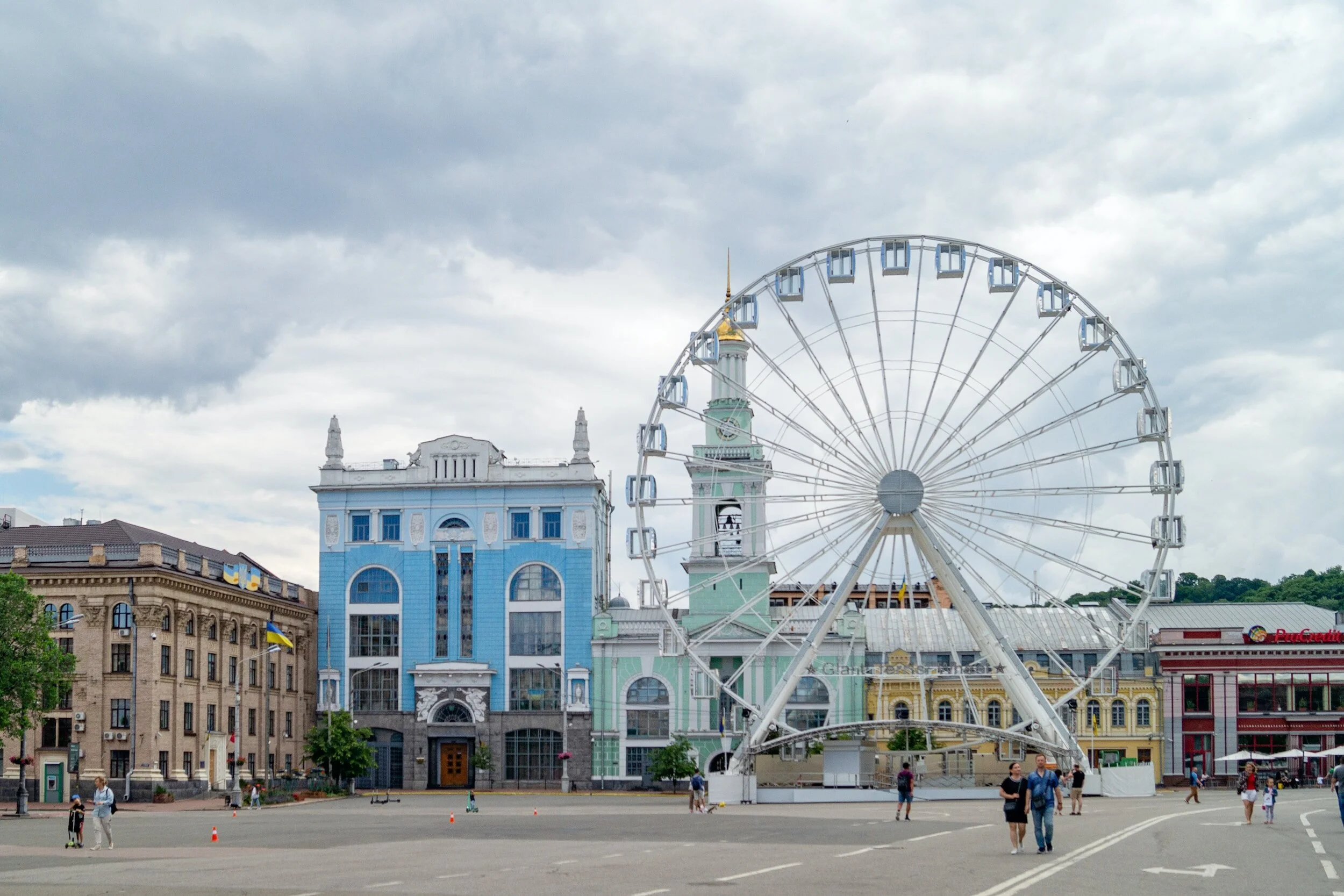
A Tale of Two Churches: Ukraine Stories 1/7
Once upon a time there were two churches…
They were both located in western Ukraine. They were only about 15 kilometers away from each other. But they did not have any connection or partnership. The only thing they had in common was that they both worshipped the Risen Lord Jesus on Sunday mornings.
They were not affiliated with the same denomination or faith group. One identifies as ‘Non-denominational,’ while the other simply identifies as ‘Evangelical.’
But then a tragedy occurred on the other side of their nation.
And with a tragedy always comes an opportunity. In the famous words of Mister Rogers, ‘look for the helpers.’ See link HERE.
Their communities became overrun with ‘refugees’ (more accurately ‘internally-displaced people’), fleeing their homes in the east. Some of these people came from Church of God congregations in eastern Ukraine. Some came from different faith backgrounds. Some came from totally irreligious backgrounds.
But they all came with very real needs.
Needs for Shelter. Needs for Food. Needs for friendship and community.
These two congregations began doing what they could to care for these new ‘neighbors.’ And in time, they got to know about one another’s responses to the critical needs all around them.
And they began a partnership.
They have theological and liturgical differences, yes. But what matters is they share “one Lord, one faith, one baptism…”
What an amazing illustration of Unity!
What an amazing testimony to the suffering world all around them of God’s Love in action!
What an amazing testimony to the peace of Christ!
In subsequent articles, I will share more individualized stories from our collective experiences these past several months. You will hear first-hand from some of the people that they are helping. Note: Specific names and locations will consistently be withheld for security purposes.
I would ask for you to do two things in response:
1.) Pray for all involved. Pray for God to continue to meet their needs, especially as winter is right around the corner.
2.) Please consider giving! Giving to the Church of God Disaster Relief fund is an easy way for you to make a tangible difference. Please click on this link and mark ‘Ukraine’ in the comments.

Ukraine? Is that still going on?!?
Ukraine.
Chances are that is a place you have learned more about this year than ever before. Maybe it’s been awhile since you’ve heard about it, though. It seems that’s how news cycles work. When something’s not ‘new’ anymore, reporting dries up. But unfortunately, the situation in Ukraine is still quite dire. In this article, I want to tell you why what is going on in Ukraine should affect you. To start with, here’s a basic overview of what has happened to the people of Ukraine, including several congregations of the Ukrainian Church of God.
First off, here’s the facts. This isn’t political, this isn’t propaganda. This is simply the facts: In February 2022, Russian military forces invaded Ukraine. The occupation and the war still rages in certain regions of Ukraine. This has caused massive bloodshed and loss of life. This has caused massive devastation to cities, roads, infrastructure, and oh yeah, farmland. This has caused many people to flee Ukraine, seeking safety as ‘refugees’ in foreign countries. This has caused many people to flee their homes, but stay within the borders of Ukraine (‘internally-displaced people’).
Secondly, here’s a few ways this will affect you as a citizen of the earth. Amongst other economic ramifications, a significant source of the world’s grain comes from Ukraine. This year a lot of that has been destroyed, or made impossible to harvest and/or export. This will affect loads of people world-wide as certain food products are (or will shortly be) unavailable or way more expensive than normal. While for some people, this will merely be an inconvenience, for others this will cause hunger or serious struggles to provide for their family on limited budgets.
The people who have relocated to new countries with the title ‘refugee’ have been through unimaginable circumstances. Many of them have lost loved ones. Many of them have left behind the men in their lives (generally speaking, ‘military-aged men’ are currently not legally allowed to leave Ukraine). So, many wives are separated from their husbands, children separated from their fathers, all with the uncertainty of his safety. On top of this trauma, they find themselves now living as ‘guests’ in a country where the language is different, the currency is different, the school situation is different (not to mention ‘foreign!’), and they may be greeted with open arms by some of their neighbors and looked at with hatred or disgust by others.
Meanwhile, the people still within Ukraine (‘internally-displaced people’) have many of the exact same issues! Formerly quiet towns may now be overrun by new families who are from a different part of the country (think of a small town in Iowa suddenly having a surplus of new residents from California). With that can come many of the same issues of crowding, conflicting ways of thinking or living or even speaking (dialects of the same language). Also there’s always concern of ‘they’re gonna take our jobs!’
And then, of course, there are Ukrainians who continue to reside and live in literally war-torn regions. Many of these people have chosen to stay behind because ‘this is my home! Where else would I go?’ Or their health and mobility prevent them from easily traveling somewhere else. Or maybe they are literally not able to travel safely past certain borders or military checkpoints. And so they continue to try and stay alive, one day at a time.
All that to say, every Ukrainian has experienced more trauma than I have cumulatively experienced in my entire life…
Even if the war stopped today, this trauma will take years (if not decades) to fully process and heal from.
So what can you do?
Let me identify four practical ways you can respond to this mega-crisis, in the short-term and long-term.
1.) Pray. I know this may be trite or cliché, but I try to live by words attributed to Martin Luther: “Work as if everything depends on you, but pray as if everything depends on God.”
2.) Befriend Ukrainians. Maybe there are folks in your hometown who recently arrived from Ukraine. More likely, there are Ukrainians in your hometown who have been there already for some years. Either way, befriend them. Let them know that you are sorry for all that is happening in their homeland. That alone means the world to them.
3.) Learn about Ukraine. Scan through Netflix for shows about ‘Ukraine.’ Go to your local library or Amazon and find a book that picques your interest. It can be about Ukrainian history, culture, language, food, whatever you like. Education is always beneficial, and I dare say you presently know next to nothing about Ukraine. I confess that was my reality until quite recently!
4.) Get involved in humanitarian aid. There are many organizations out there. I cannot vouch for all of them. But there is one that I can vouch for. In the past several months, I have accompanied members of our Hungarian Church of God on 20-some trips into Ukraine, delivering humanitarian aid to ‘internally-displaced people.’ Usually we bring food, but also we have brought medicines, diapers, soap, clothes, toys for children, etc. Many of these deliveries are paid (atleast in part) through funds received by the Church of God Disaster Relief project. If you would like to help directly, I can personally guarantee funds given will be used to help Ukrainians. I will load the products into the van and drive the van myself!
Now is literally as good a time as any to contribute to the Disaster Relief project. Winter is coming…
There are entire communities of people who are hundreds (if not thousands) of miles away from their winter clothes. There are entire communities of people who have been living creatively in buildings not necessarily designed for housing. As an example, I know a mother who fled eastern Ukraine with her 5 children. They are graciously staying in a former clothing store. While protected from the elements, it certainly does not provide the level of warmth that a typical house would offer.
In addition to all of that, my most recent trip across the border saw the Hungarian border guard thanking us for taking things into Ukraine (His sister is married to a Ukrainian and they live in Ukraine). He said that 6 months ago, he would see 100 vans crossing the border daily, delivering humanitarian aid. But our van was the first such van he had seen in several days. The unfortunate reality is that there are very few people/organizations presently delivering supplies into Ukraine.
However, we are. And with your help, we can continue, so long as there are needs.
You may think you can’t do much to help. But let me assure you that YOU can make a massive difference.
Give here. Please designate ‘Ukraine’ in the comment.
(*Specific names and locations withheld for security purposes*).